In the medical world, it’s easy to believe that higher quality imaging is more accurate and detailed. But in reality, any radiology procedure which is beneficial serves an even greater function. It is crucial to know whether medical exams is able to provide the information needed in a specific circumstance.
When a patient is evaluated for breast or prostate problem the diagnostic criteria are quite different. Modern radiology addresses these differences with a variety of imaging techniques instead of making use of one scanner for every scenario.
The private consultation available at the Wolfsburg Diagnostic Center gives patients access to a variety of imaging and diagnostic services within one practice of radiology.
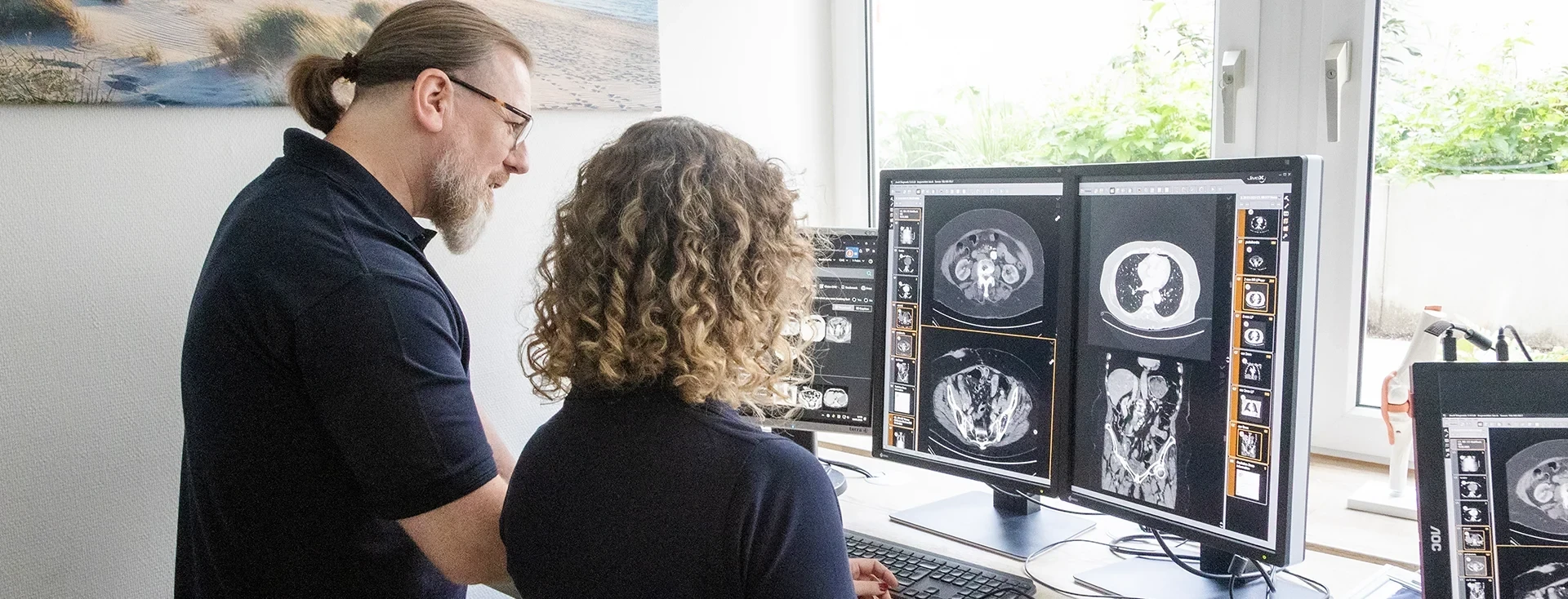
Image credit: diagnostikzentrum-wolfsburg.de
Different Body Parts Display Theirself in a Different Way
Using different imaging techniques, the soft tissues, bones organs, joints, organs and other structures do not appear exactly the same way.
Magnetic resonance imaging may be particularly beneficial when a thorough image of soft tissue structures is required. The Wolfsburg Diagnostic Center operates two modern 1.5 Tesla MRI scanners and conducts exams of various areas, including the spine, brain, internal organs, joints and soft tissues.
MRI is an non-radiation type of X radiation imaging. The center also offers more focused exams, such as prostate MRI and whole-body MRI, when medically appropriate.
It is important to remember that the word “MRI” is used to describe the technology, is not the same as the question being asked by the patient.
CT Provides a Different Point of View
Computed tomography has its own significance in the field of diagnostic medicine. CT makes use of X-rays in order to create intricate cross-sectional photographs of the human body. In the Wolfsburg Diagnostic Center exams are conducted by using low-dose technology to decrease radiation exposure while maintaining high-quality images needed for evaluating.
The individual clinical situation will determine the most suitable imaging technique. It is not necessary to say that having a better sounding image is superior.
Digital X-Ray Is Still Relevant
With MRI and CT receiving considerable attention, traditional X-rays can appear old-fashioned. Modern digital X-ray tells a different story.
Digital technology has become an established method to study the skeletal system. High-resolution imaging can be combined with radiation-safe methods in the latest equipment.
The most recent technologies are not simply replacing older methods but are also broadening the options for radiologist.
Breast Imaging: The Value of Focused Treatment
Breast diagnostics are yet another type of imaging that is specific. The center offers ultrasound of the breast, 3D mammography (or tomosynthesis) and mammography. These technologies provide different forms of information about imaging and can be used according to the patient’s individual medical circumstances.
Radiology is constructed on the same basis: understanding what needs to studied is the key to effective imaging.
Sometimes, imaging can help guide treatment
Radiology isn’t only about identifying and evaluating abnormalities. The Wolfsburg Diagnostic Center offers CT-guided Periradicular Therapy (PRT) which is a procedure where CT imaging is used to guide the procedure. Another option for treatment is low dose radiation therapy.
These examples show how imaging technology can extend beyond observation and could play an important role in the direction of precise medical treatment.
Precision Means Asking a Focused Question
A modern diagnostic centre is not just defined by the quantity of equipment. Its worth lies in the application of technology to a defined medical condition, then having specialists interpret the images. To learn more CT Wolfsburg
Private consultation hours are available in Wolfsburg patients can have access to a broad array of radiological examinations, specialist care, and an open discussion of their findings.
The goal isn’t just to produce more pictures. It’s about producing clinically useful information that will aid physicians and patients in better understanding the medical concerns being researched.