It’s not until later that the performance of a lift-station is determined. The design is determined by many aspects, including calculation of flow, elevation of the site the system pressure, the properties of wastewater the top conditions, access to maintenance, controls, and capacity to come.
The most crucial for owners of projects to ask when comparing the top lift station designers is not who will design the pumps. It is who can transform the operational and site conditions requirements into a system that is feasible to construct, operate and maintain.
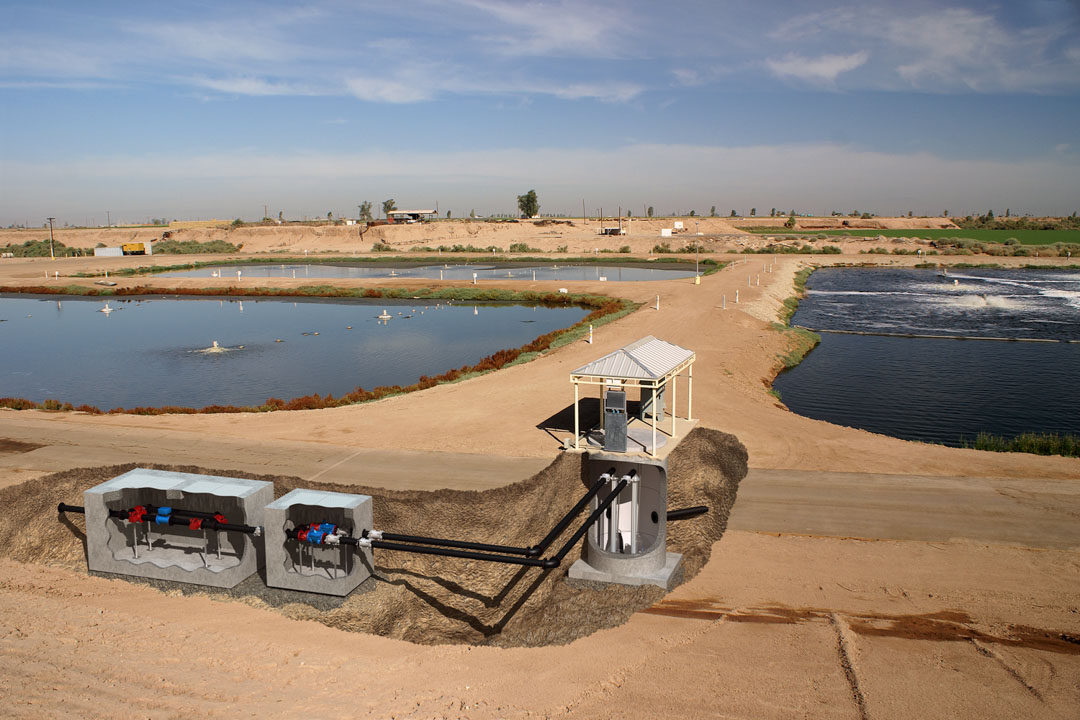
Image credit: romtecutilities.com
Gravity has Limits
Gravity is typically the most efficient method to transport wastewater, but the development pattern and terrain do not always work together. It is possible that the new industrial, residential and commercial properties are too far, or too high. They could also be situated in areas where gravity sewer infrastructure expansion isn’t feasible.
Lift stations can supply the mechanical force required for the transfer of wastewater from one point in the collection system to another. It is important to consider the operating conditions that are normal and those that are not as suitable, such as high inflows, maintenance of the pump breakdowns, equipment breakdowns, or future demand increases.
Companies considered among the best wastewater designers should therefore evaluate the entire conveyance problem rather than treating the station as an isolated piece of equipment.
The current infrastructure makes the puzzle More difficult
The issue isn’t the construction of new structures. In order to maintain the necessary wastewater infrastructure municipalities are often required to upgrade or replace aging stations.
Existing wetwells, forcemains electrical services and controls along with the site’s boundary, as well as downstream Infrastructure can restrict the new design. Engineers must determine what can be left in place, what will require replacement, and how new components will be integrated into the existing system.
Romtec Utilities works across municipal, private, commercial, industrial, retrofit, and replacement applications. This allows pumps to be designed to meet the unique needs of the owner and operation of each project.
Stormwater has different rules
The best stormwater system designers must use the provided search terms to resolve the issue of a different type of hydrologic. Stormwater systems can experience dramatic fluctuations in volume based on the quantity of rain, drainage area capacity for detention, and permissible discharge rates.
A station serving a detention basin, as an example one, might need to store runoff temporarily and then pump it away at the appropriate speed. Engineers should consider the head and flow conditions, environmental demands and objectives for flood management, and the specifics of the drainage system for receiving.
Prefabrication is a way to take the work off-site
Field assembly is a demanding process that can cause schedule conflicts, errors delays, and changes to orders. Romtec Utilities performs significant prefabrication of equipment prior the installation site is constructed.
In a controlled atmosphere in a controlled setting, working on more assembly and quality control can speed up construction on the field. Romtec Utilities’s approach to projects can speed up the time required to put in certain installations.
The Commissioning Process is Key to Engineering Success
It’s not enough to put in all the parts to be deemed a tested one. Romtec Utilities is an installation advisor who will guide construction through startup, control-panel checking, pump operation testing the system, and personnel training. Documentation also provides information to operators that they can refer to when maintaining the system or considering future expansion.
This final stage is important for those who are looking for the best lift station design. An excellent engineering design should yield more than sketches that are acceptable. The proprietor should be left with a working system, well-trained personnel, helpful documentation, and equipment that is made to be able to handle the daily operational requirements of the station.