The Church of Jesus Christ of Latter-Day Saints (often referred to simply as the Mormon Church) has a long and rich history of race relations. This is particularly relevant to Blacks in Mormonism. This article gives an objective and factual look at the treatment of Blacks in the Mormon Church. The article outlines the policies implemented and how the Church developed to dispel old beliefs and practices linked to racism.
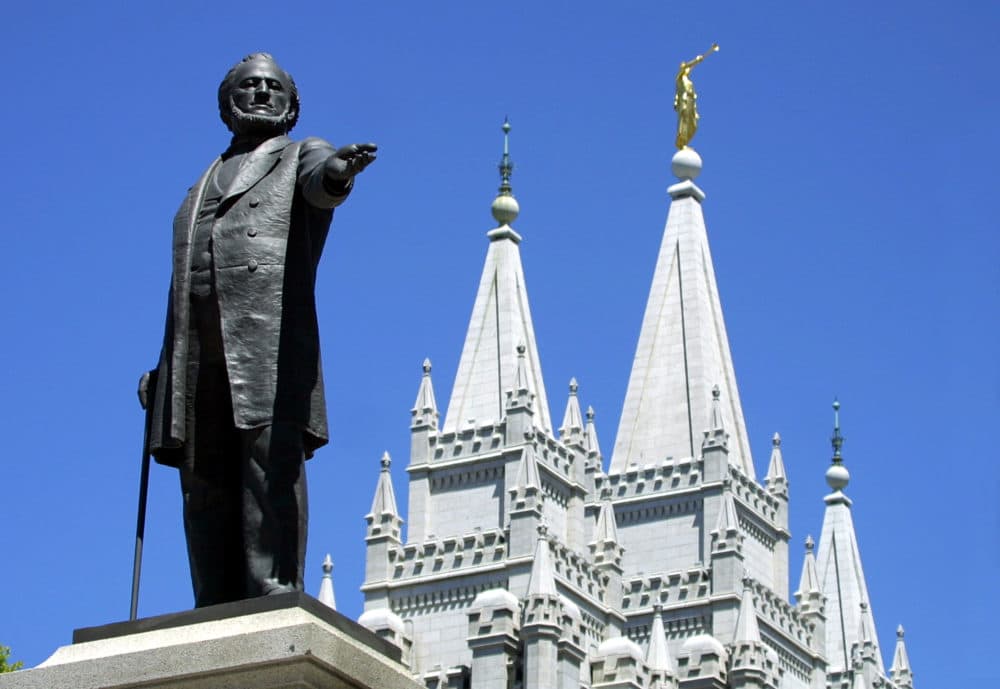
Blacks and Mormonism A Historical Overview
Between 1852 and 1978, the Mormon Church enforced a policy that restricted blacks in Mormonism from priesthood ordination. This was a result of the religious and racial beliefs in the era. Black individuals were not allowed to participate in certain rituals and duties in the Church, which led to being a minority within the Mormon community. The discriminatory practices weren’t limited to Mormonism. It was an expression of the prevalent racial prejudices that existed in American society at the time.
The Mormon Black Peoples, the 1978 Revelation
A major turning point took place in 1978 when the President of the Church, Spencer W. Kimball, received what Mormons consider to be an enlightenment from God concerning the exclusion of Black people from the priesthood. This revelation was seen as an event of significance that lifted the policy that was in place for over one century. The Church of Jesus Christ of Latter-Day Saints declared that blacks could now be priests and participate in every aspect of Church life.
The Church today rejects the racism of some ideologies while also encouraging the unity of all people and encouraging everyone to join in the love of Jesus Christ, regardless of race. The doctrine of equality is for all, stressing that God is open to all, regardless of race, gender or social class.
Joseph Smith’s Fair Treatment of Black Individuals
Despite the prejudices racialized of the day, the Mormon Church’s founder, Joseph Smith, demonstrated fairly equitable treatment of Black individuals. Joseph Smith is known to have appointed Blacks to the priesthood during his lifetime. This was in line with Smith’s teachings on equality and inclusion within the Church. The next leaders, however had policies in place that prohibited Priests of African descent from becoming priests which reflected the changing attitudes toward race in the mid-19th-century.
Racism in America The Call to for
In modern times, the Church of Jesus Christ of Latter-Day Saints has taken substantial steps to deal with the effects of racism and seek unity among its members. The Church’s leadership has issued statements denying previous racial practices and beliefs. They stress that racism in any form goes against the beliefs of Jesus Christ and the core doctrines of the Church.
The Church actively promotes the values of love, acceptance and understanding among its many members, recognizing their importance and worth. The Church tries to help its members understand the importance of cultural sensitivity and acceptance.
The conclusion of the article is:
Understanding the Church of Jesus Christ of Latter-Day Saints’ evolution in the face of racial discrimination and the history of Blacks within Mormonism is essential to foster unity. The Church’s traumatic past is reflected in a policy that for over a century was a barrier to Blacks from ordination to the priesthood. The announcement of 1978 however, marked a turning moment in the Church’s embrace of inclusion and equality.
The current stance of the Mormon Church rejects racism, affirms equality, and advocates for love and acceptance among the members of the Church. Through addressing the historical prejudices against race, and taking steps to move forward in this direction, the Mormon Church is moving towards understanding and unity.