A pump station that is old shouldn’t be forced to cease functioning to be a problem. Even though it is able to transport stormwater and wastewater on a daily basis it could be unable to meet the demand for water at its peak. It could also require regular maintenance. The equipment operates, but the design it was originally designed for may not accurately reflect the environment surrounding it.
For developers, municipalities, and facility managers, understanding the differences is a crucial aspect of preparing infrastructure improvements.
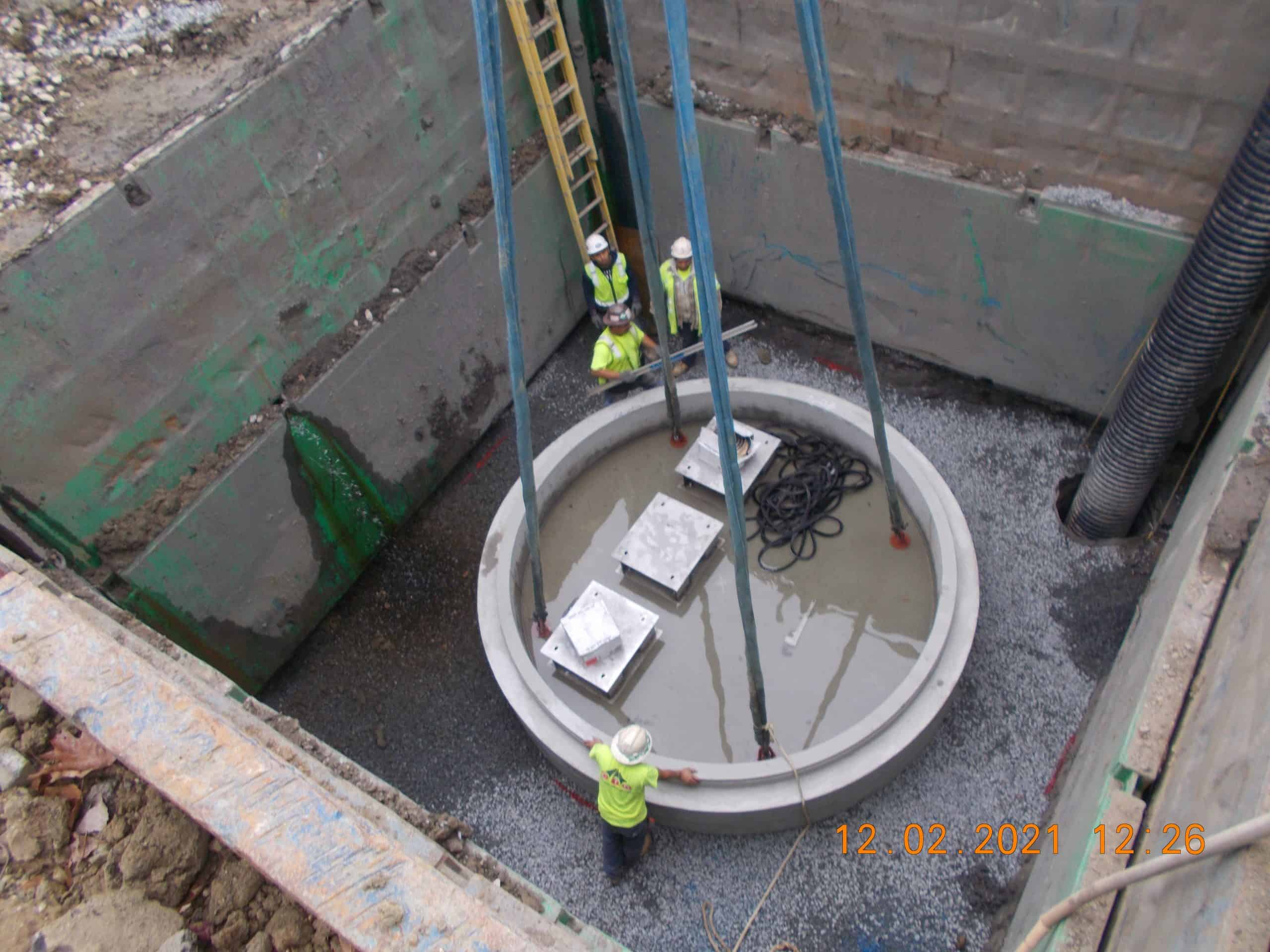
Image credit: romtecutilities.com
The equipment that fails is Not the Only Problem
The retrofit of a water liftstation should begin by assessing the entire system, not only the pump. Engineers must assess the wet well, the mechanical equipment as well as electrical components, controls, discharge pipe, and current pumping requirements.
The state of a wet well is extremely important. If its structure is solid it might be suitable to keep it even when replacing equipment that is no longer in use. It’s less expensive to build an entirely new station than if you were to keep the existing one. It is essential to maintain existing infrastructure in case improvements are possible.
Have the boundaries of the Service Area been changed?
The water treatment plant constructed many years ago can be used to provide services to more homes, businesses, and industrial activities.
The changes could affect flows and operational demands. Successful lift station rehabilitation therefore requires more than restoring the original equipment specifications. Engineers must evaluate future and planned flows as well as the equipment’s capacity and dependability.
The solution is not always a bigger pump. The new equipment must be compatible with the current piping system as well as electrical power supply and control. A mistake in improving one element can create problems elsewhere.
Priorities for stormwater retrofits are different
Retrofitting a station to pump stormwater brings additional considerations, as runoff patterns can be affected by rainfall and nearby development. The pattern of inflow at the station that is serving an area for detention could be different than if it gets water directly from the storm drain. The quantity of runoff that enters the station may be affected by new pavement as well as increased parking or a change in drainage infrastructure.
Before recommending an upgrade to a stormwater pumping station, engineers should examine the drainage area in which they are contributing. They should also consider the potential peak flows in the area, storage capacity and discharge conditions.
The results of these studies can help decide if equipment modernization is enough or if a station is in need of more extensive reconstruction.
Plan Construction Before Interrupting Service
How the station will function in the event of rehabilitation is a concern that is often ignored. It is impossible to remove wastewater systems from operation without arranging for flow control.
Construction may include temporary bypass pumps or installation of replacement infrastructure along with the operating station, according to the available space and the project requirements.
The system could be necessary during an unexpected downpour. The engineering plan should include the sequence of installation in addition to temporary operations and equipment integration.
The finished System is easier to Operate
Romtec Utilities is a provider of site-specific engineering, supply and solutions for Stormwater and Wastewater Pumping Applications.
The retrofit strategy decides which electrical, structural mechanical and communications components are to be retained and which components require replacement. The company also offers preliminary designs and budgetary estimates to help project owners assess their possibilities.
Following installation, tests for startup Commissioning, operator training, and operation and maintenance documents help ensure that the upgraded station performs as per its specifications. A successful rehabilitation program should leave operators with a system they can maintain and understand.
Upgrade Your System and Not Limit Its Upgrades to its Age
A pump station that’s older might not need to be completely replaced. It is possible that some structures will remain functional for years, even if the mechanical or electrical systems require updating. It is essential to identify what can be kept safely and cost-effectively, while making sure that the final product is in line with current and future requirements.
Owners are able to make better investment choices by examining the operating conditions as well as structural integrity and hydraulic requirements in conjunction.
The objective isn’t to make an old system work again. It’s about ensuring that the new system is able to take on the new work.